


In the world of logistics and shipping, the stability of a palletized load is non-negotiable. A single failure can lead to damaged goods, safety hazards, and significant financial loss. This is where PE Stretch Film emerges as an indispensable tool. Defined as a highly elastic packaging material made from Linear Low-Density Polyethylene (LLDPE), its primary role is to unitize and secure products on a pallet, ensuring they remain stable from the warehouse to their final destination. While older materials like PVC once held a place in the market, polyethylene has become the undisputed global standard. Its superior performance, cost-effectiveness, and environmental profile have made it the go-to choice for modern supply chains. This guide will explore the material science, manufacturing processes, strategic applications, and selection criteria for choosing the right PE stretch film for your operations.
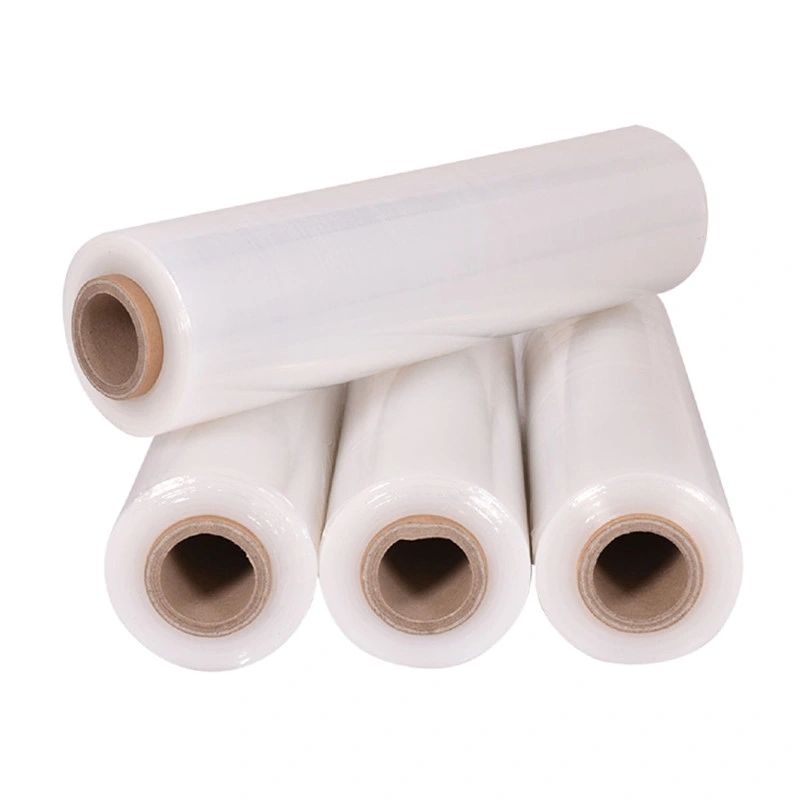
Material Advantage: PE (specifically LLDPE) offers superior stretchability (300-400%) and puncture resistance compared to PVC.
Operational Efficiency: Understanding the difference between Cast and Blown film is critical for matching film to load type.
Cost Optimization: Transitioning to pre-stretch film reduces material waste by eliminating "neck down" and leveraging "film memory."
Sustainability: PE is 100% recyclable and lacks the toxic chlorine components found in PVC.
The performance of any stretch film hinges on its chemical composition. For PE stretch film, the foundation is a sophisticated polymer resin designed for elasticity, strength, and durability. Understanding the key components helps in selecting a film that provides optimal load containment without excessive material usage.
The primary ingredient in high-quality stretch film is Linear Low-Density Polyethylene (LLDPE). Unlike its predecessors, LDPE and HDPE, LLDPE has a unique molecular structure with numerous short branches. This structure allows the polymer chains to slide past one another when stretched without breaking, granting the film its signature elasticity and high tensile strength. This property enables the film to be stretched to several times its original length while generating a powerful contracting force that holds the pallet load together tightly.
To push performance even further, manufacturers often incorporate metallocene polyethylene (mPE) into their resin blends. Metallocenes are catalysts used during polymerization to create a more consistent and controlled molecular structure. Adding mPE to the LLDPE blend results in several key benefits:
Enhanced Puncture and Tear Resistance: The uniform polymer chains create a tougher film that can withstand sharp corners and rough handling.
Improved Clarity: Films with mPE are often clearer, which is crucial for barcode scanning and product identification.
Greater Load Retention: These high-performance films provide superior holding force, keeping loads secure even during dynamic transit conditions.
Polyvinyl Chloride (PVC) was once a common material for stretch wrapping, but it has been largely superseded by PE for critical technical and environmental reasons. The differences are stark and directly impact operational efficiency, safety, and corporate responsibility.
| Feature | PE (Polyethylene) Stretch Film | PVC (Polyvinyl Chloride) Stretch Film |
Stretch Rate | Excellent (up to 300-400%) | Poor (around 150%) |
Puncture Resistance | High, especially with metallocene additives. | Moderate, but can become brittle over time. |
Cling Properties | Excellent two-sided or one-sided cling via additives. | Naturally high cling, but can be difficult to unwind. |
Environmental Impact | 100% recyclable (Category 4 LDPE). Contains only carbon and hydrogen. | Difficult to recycle. Releases harmful hydrogen chloride (HCl) gas when incinerated. |
Cost-Effectiveness | Highly cost-effective due to high stretch potential and lower raw material costs. | Generally more expensive for industrial applications. |
A film's ability to stick to itself—but not the product—is known as "cling." This is achieved by adding specific cling additives to the outer layers of the film during extrusion. This ensures that each layer of the wrap fuses to the previous one, creating a strong, cohesive shell. Conversely, the coefficient of friction (CoF) on the film's exterior surface is equally important. A low CoF allows wrapped pallets to slide past each other during loading and transport without catching or tearing the film, preventing load failures.
The manufacturing process used to create stretch films dramatically influences their performance characteristics. The two dominant methods are cast extrusion and blown extrusion. Choosing the right one depends entirely on your load profile, wrapping equipment, and warehouse environment.
Cast film is produced by extruding melted polymer resin through a flat die onto a large, chilled roller. This rapid cooling process, known as quenching, freezes the polymer chains in place, resulting in a film with exceptional clarity and a glossy finish.
Production: The process is fast and efficient, allowing for higher output and more consistent gauge (thickness) control across the entire roll.
Pros: It offers superior clarity for product visibility and barcode scanning, a very quiet and smooth unwind process that reduces warehouse noise, excellent two-sided cling, and typically a lower cost per roll.
Best for: Cast film is the workhorse for standard, uniform pallet loads (e.g., cases of beverages, boxed goods). It excels in high-speed automated wrapping operations where consistency and clarity are paramount.
Blown film is made by extruding the melted resin through a circular die and then inflating it vertically into a large bubble. The bubble is slowly cooled by ambient air as it rises, which allows the polymer molecules to crystallize in a more random, crisscross pattern. This molecular orientation gives the film its signature toughness.
Production: This process is slower and more complex than cast extrusion, leading to a higher cost. The film is typically hazier and has a rougher surface texture.
Pros: It boasts exceptional puncture and tear resistance, making it highly durable. It has a higher "force-to-load" or holding power per unit of thickness and offers superior one-sided cling, which prevents wrapped pallets from sticking together.
Best for: Blown film is the ideal solution for heavy, irregular, or sharp-edged loads. Think of pallets of bricks, concrete blocks, machinery, or any load with significant protrusions that would easily puncture a standard cast film.
Beyond the manufacturing process, PE Stretch Film is categorized by its application method. Each category is engineered with specific properties to maximize efficiency, safety, and load containment for its intended use.
Designed for manual, low-volume wrapping operations, hand stretch film comes in shorter, lighter rolls. The primary focus here is usability and ergonomics. Modern hand films are often engineered to be lightweight and require less force to apply, reducing worker fatigue and the risk of musculoskeletal injuries. When selecting a hand stretch film wrap, consider not just its performance but also the roll weight and any ergonomic handles or dispensers available to improve the application process.
Machine-grade film is engineered for use on automated or semi-automated stretch wrapping equipment. These rolls are longer and wider to minimize downtime from roll changes. The critical performance metric for a stretch film machine grade is its "ultimate stretch" capability. High-performance machine films can be safely pre-stretched by the wrapper's carriage system by 200% to 300% or more. This process orients the polymer molecules, significantly increasing the film's tensile strength and load-holding force while drastically reducing the amount of film needed per pallet.
Pre-stretched film is a game-changer for both manual and machine applications, focused on maximizing efficiency and minimizing waste. This film is stretched close to its ultimate breaking point during manufacturing and then wound onto rolls. The user applies the film with minimal additional tension.
"Neck down" is the phenomenon where a stretch film narrows as it is stretched. For example, a 20-inch wide roll might narrow to just 10 inches when fully stretched, requiring more wraps to cover the pallet. Because pre-stretched film is applied with very little force, it experiences almost no neck down, maintaining its original width. This ensures better coverage with fewer wraps.
Pre-stretched film possesses excellent "film memory." This refers to the material's natural tendency to contract back toward its original, unstretched state. As it tries to shrink, it continuously tightens around the load. This ensures the pallet remains secure even if the contents settle or shift during transit, providing superior load containment over time.
The biggest benefit of pre-stretched film is its impact on the Total Cost of Ownership (TCO). While the price per roll may be comparable to traditional films, the amount of film used per pallet can be reduced by up to 50% or more. This leads to massive savings in material consumption, reduces plastic waste, and lowers the overall cost per pallet wrapped.
Standard clear stretch film covers most needs, but many industries face unique challenges that require specialized solutions. Manufacturers have developed a range of specialty films by incorporating specific additives into the PE resin blend.
UVI (Ultraviolet Inhibitor) Film: For products stored outdoors, standard stretch film can degrade and fail within weeks when exposed to sunlight. UVI film contains additives that protect the film from UV radiation, typically providing protection for 6 to 12 months. This is essential for agricultural products, building materials, and any goods stored in outdoor yards.
VCI (Volatile Corrosion Inhibitor) Film: When shipping or storing metal parts, rust and oxidation are major concerns. VCI stretch film is impregnated with chemical inhibitors that turn into a gas inside the wrapped pallet. This vapor forms a microscopic, invisible layer on metal surfaces, preventing moisture and oxygen from causing corrosion.
Anti-Static PE Film: Static discharge can damage sensitive electronic components or even pose a fire risk in environments with flammable materials. Anti-static film contains additives that safely dissipate static electricity, making it essential for wrapping electronics, medical devices, and chemicals.
Opaque and Tinted Films: These films serve multiple purposes. Opaque black or white stretch film for wrapping conceals the contents of a pallet, deterring theft and protecting light-sensitive products. Tinted films (e.g., blue, green, red) are excellent for inventory management, allowing for easy color-coding and identification of different product lines or shipment destinations.
Vented/Breathable Film: Some products require airflow to prevent condensation, spoilage, or heat buildup. Vented stretch film features die-cut holes that allow air to circulate freely. It is ideal for wrapping fresh produce, dairy products, flowers, and hot-fill products that need to cool after being palletized.
Selecting the optimal pallet wrap stretch film is a strategic decision that impacts product safety, operational costs, and sustainability goals. Moving beyond a simple "price per roll" mindset is crucial for making an informed choice.
The first step is to analyze your load type. Loads are typically categorized using a simple A-B-C system:
Type A Loads: These are uniform, stable, and have no sharp edges. Examples include neatly stacked boxes of the same size. These loads are the easiest to wrap and can often use a standard cast film.
Type B Loads: These loads are less uniform and may have irregular shapes or slight protrusions. Think of mixed-case pallets or items that can shift. A higher-performance cast film or a standard blown film is often required.
Type C Loads: These are the most challenging loads. They are heavy, unstable, have sharp corners, or significant protrusions. Examples include machinery, building materials, or furniture. These loads demand a high-performance blown film with exceptional puncture resistance.
Traditionally, film thickness (measured in gauge or microns) was a proxy for strength. However, modern polymer science has changed the game. "Equivalent performance" films are thin-gauge films made from advanced resins (like those with mPE) that offer the same or better load containment as older, thicker films. Switching to a high-performance, lower-gauge film can significantly reduce plastic consumption and cost without sacrificing load security.
The most important metric is not the price per roll but the cost per pallet wrapped. A cheaper, low-performance roll may require more film to secure a load, ultimately costing more. To calculate TCO, you must consider:
The price of the film roll.
The stretch potential of the film.
The amount of film required to secure one pallet effectively.
A higher-quality film that can be stretched further will always yield a lower cost per pallet, even if its initial roll price is higher.
Environmental responsibility is a growing priority. When evaluating films, check for sustainability features. Does the film contain Post-Consumer Recycled (PCR) content? Is it 100% recyclable within existing LLDPE streams? Choosing a film that is both high-performance and sustainable can help your company meet its corporate social responsibility goals and comply with environmental regulations.
PE stretch film is more than just a packaging material; it is a critical component of a secure and efficient supply chain. Its formulation from LLDPE and performance additives makes it a versatile, cost-effective, and sustainable solution for unitizing pallet loads. By understanding the differences between cast and blown films, leveraging the benefits of pre-stretch technology, and selecting the right film for your specific load profile, you can optimize load containment while reducing operational costs and environmental impact.
To truly identify the perfect film-to-load match, we recommend conducting a "wrap-to-fail" test. This involves wrapping a pallet with your chosen film and deliberately testing its limits to see how it performs under stress. For expert guidance on conducting a film audit, calibrating your wrapping machinery, or selecting the ideal specialty film, a professional consultation can provide invaluable insights and unlock significant savings.
A: The key difference is the application method. Stretch film is a highly elastic material that is stretched around a load, using mechanical tension to hold it securely. Shrink wrap is a looser-fitting material that is placed over a product and then heated, causing it to shrink and conform tightly to the item's shape.
A: To calculate the stretch percentage, measure a length of film on the roll (Original Length). Then, apply the film and measure the same segment on the wrapped pallet (Final Length). Use the formula: ((Final Length - Original Length) / Original Length) * 100. For example, if a 10-inch segment stretches to 30 inches, the stretch percentage is 200%.
A: Yes, PE stretch film is 100% recyclable. It falls under the LDPE #4 recycling category. Many commercial facilities have programs to collect and bale used stretch film, which is then reprocessed into new products like trash can liners, plastic lumber, or new film with recycled content.
A: Film snapping can be caused by several issues. You might be using the wrong gauge or type of film for your load (e.g., a cast film on a sharp-edged Type C load). The resin quality of the film could be poor, or your stretch wrapping machine's tension settings might be too high for the film's specifications. Check these three areas to troubleshoot the problem.
A: "Neck Down" is the term for when a stretch film gets narrower as it is stretched. For instance, a 20-inch wide film might reduce to 15 inches when stretched. This matters because it reduces surface area coverage, forcing you to use more revolutions (and more film) to wrap the pallet. Pre-stretched films and high-performance machine films are designed to minimize neck down, saving material and reducing costs.


 glorysales005@163.com
 +86-13791552691
 1733, Chengjian Times Square, Tongda Road, Lanshan District, Linyi City, Shandong Province, China